R&D Tax Credits For Startups
Fuel your innovation with R&D tax relief tailored for startups
QLC empowers startups to claim R&D tax credits with our streamlined portal and expert support. Unlock vital funding to scale your business and accelerate growth.
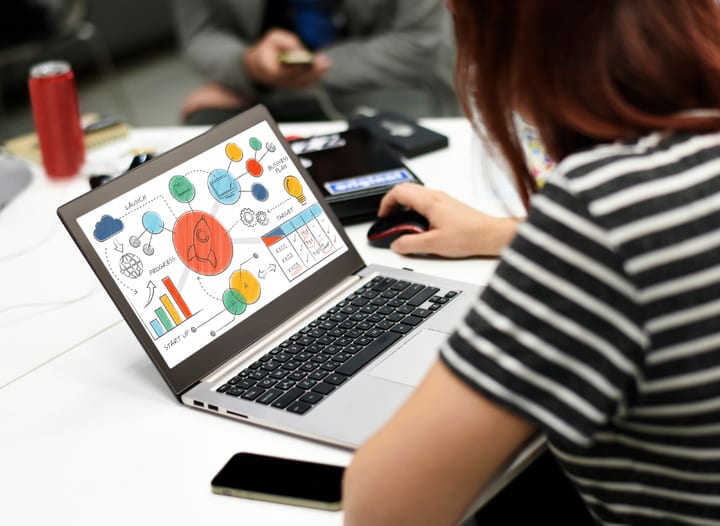
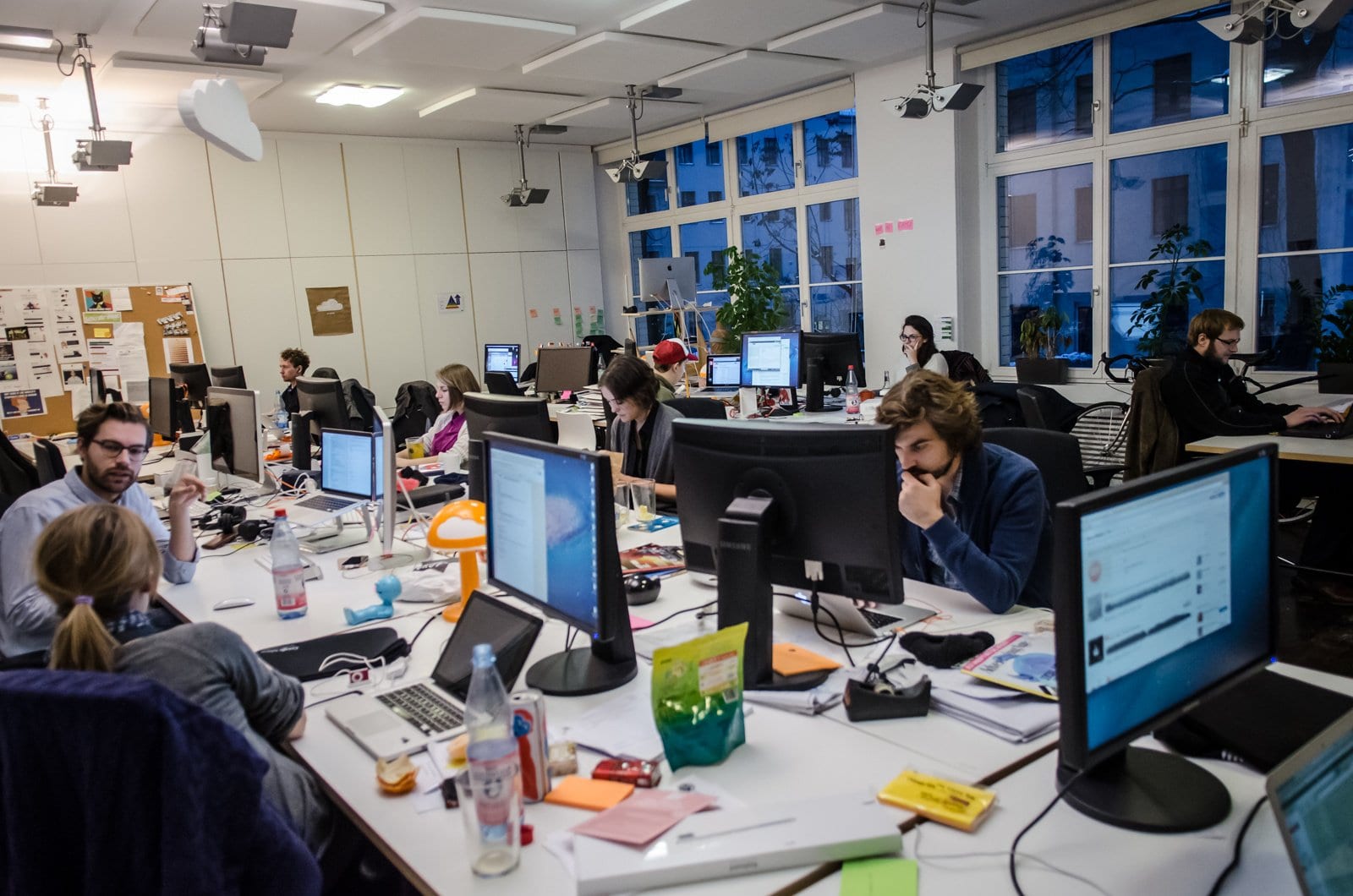
Helping startups
Startups often face unique challenges when it comes to innovation. With years of expertise in claiming R&D tax credits for startups, QLC understands these challenges and knows how to help startups succeed.
Whether you’re developing your first product, refining a process, or investing in cutting-edge technologies, we’ve supported startups in diverse sectors to secure crucial funding through R&D tax relief.
Success stories
What Our Clients Say About Us
"I am really impressed with the efficiency of your work, and the results you got for our company. A very friendly, committed and obviously hardworking team. You made the whole process very easy."
Will Tompkins (Director)
Vintage and Classic Cars
"QLC successfully claimed credits for the past 2 financial years, this year was even better. They managed the application and claimed the R&D credit prior to our annual tax bill, making the whole process quicker, easier and more efficient than last year."
Andrew Forbes (Director)
Architecture
"A massive thanks to all your team, obviously with the current situation, this money couldn’t have come at a better time."
Ian Cooke (Director)
Engineering
"From our experience we have always found QLC to be efficient and thorough in their tax appraisals, carefully guiding us through the often complex process. They have a very approachable team, all of which have been able to offer excellent advice when needed."
Ben Reed (Director)
Architecture
"They are proactive and efficient in performing their service and I have been impressed by their dynamism."
Chris Wright (Director)
Motorsport Engineering
"Your company did exactly what you said it would do. It took far less time than the other company that we had used in the past. We are extremely pleased with the outcome."
Adrian Smith (Company Sec)
Manufacturing Firm
"I am really impressed with the efficiency of your work, and the results you got for our company. A very friendly, committed and obviously hardworking team. You made the whole process very easy."
Will Tompkins (Director)
Vintage and Classic Cars
"QLC successfully claimed credits for the past 2 financial years, this year was even better. They managed the application and claimed the R&D credit prior to our annual tax bill, making the whole process quicker, easier and more efficient than last year."
Andrew Forbes (Director)
Architecture
"A massive thanks to all your team, obviously with the current situation, this money couldn’t have come at a better time."
Ian Cooke (Director)
Engineering
"From our experience we have always found QLC to be efficient and thorough in their tax appraisals, carefully guiding us through the often complex process. They have a very approachable team, all of which have been able to offer excellent advice when needed."
Ben Reed (Director)
Architecture
"They are proactive and efficient in performing their service and I have been impressed by their dynamism."
Chris Wright (Director)
Motorsport Engineering
"Your company did exactly what you said it would do. It took far less time than the other company that we had used in the past. We are extremely pleased with the outcome."
Adrian Smith (Company Sec)
Manufacturing Firm
How much could you claim?
The average R&D tax claim for an SME
To find out what your own business could claim, speak to our team:
£57k
Common R&D activities for startups

Product development
MVPs
Designing and developing prototypes or MVPs (Minimum Viable Products) to test feasibility and gather user feedback.Hardware and software
Creating new hardware or software products that address unmet needs or industry challenges.Prototypes
Refining prototypes to improve functionality, performance, or durability.Alternatives
Experimenting with alternative materials or designs to enhance sustainability, reduce costs, or improve performance.New features
Developing new features or modules for existing products to meet customer demand or increase market competitiveness.
Usability and compatibility
Conducting usability testing to optimise product interfaces and functionality. Testing compatibility with third-party systems or devices.
Technology innovation

Disruptive tech
Creating disruptive technologies, platforms, or systems that address specific market gaps.Artificial Intelligence
Developing and integrating Artificial Intelligence (AI) or machine learning algorithms to improve decision-making, automate processes, or enhance analytics.Blockchain
Building blockchain-based solutions to improve data security, transparency, or efficiency in transactions.IoT
Innovating with Internet of Things (IoT) devices to enhance connectivity and functionality.Data processing
Researching and implementing advanced data processing techniques, such as natural language processing (NLP) or computer vision.
AR & VR
Developing augmented reality (AR) or virtual reality (VR) applications for training, marketing, or product visualisation.

Process improvement
Workflows
Streamlining internal workflows to improve efficiency, reduce errors, or optimise resource allocation.Automation
Automating repetitive or manual tasks using custom-built tools, robotic process automation (RPA), or software integrations.Bespoke software
Developing bespoke software solutions to address scalability challenges in operations or production.Customer experience
Improving the customer experience (UX) through innovative interface designs, user feedback analysis, and testing.
Onboarding
Optimising onboarding processes to make customer adoption faster and more intuitive.
Analytics
Creating analytics dashboards or tools to provide insights into operational or customer data.
Sustainability and environmental innovation

Materials
Researching and implementing eco-friendly materials, such as biodegradable packaging or recyclable components.Reducing waste
Developing production methods that minimise energy, water, or material waste.Renewable energy
Innovating in renewable energy solutions or integrating renewable technologies into existing processes.Carbon reduction
Designing systems or products to reduce carbon footprints, such as low-emission transportation solutions or energy-efficient appliances.
Circular economy
Experimenting with circular economy models, such as upcycling or reusing waste materials.
Energy storage
Testing and optimising systems for energy storage, such as sustainable battery technologies or improved grid efficiency.
Software and application development
Software
Developing proprietary software applications to solve specific industry problems.APIs
Building APIs to integrate systems and improve interoperability with other platforms.SaaS
Creating SaaS (Software as a Service) platforms for scalable business solutions.Security
Developing security systems, such as encryption protocols or intrusion detection systems.
Backend systems
Optimising backend systems for better speed, reliability, or scalability.
Testing
Conducting stress testing and debugging to ensure system reliability under high usage.
Advanced manufacturing and prototyping
3D printing
Using 3D printing or additive manufacturing techniques to develop and test prototypes.Automation
Experimenting with automated manufacturing processes to improve production speed and accuracy.Testing
Testing materials and designs to reduce manufacturing costs while maintaining quality.Modular designs
Developing modular designs to enable easier assembly or customisation.
Robotics
Designing and testing robotics systems to streamline manufacturing or operational processes.
Market-specific innovations

Software and hardware
Creating industry-specific software or hardware solutions (e.g., FinTech, AgriTech, EdTech).Food and drink
Researching and testing new food or beverage formulations in FoodTech startups.Farming
Developing precision farming systems for AgriTech, such as drones or IoT sensors for soil analysis.Education
Building gamification platforms or interactive tools for EdTech or marketing startups.
FinTech
Testing financial modelling tools for FinTech startups to provide better risk assessment or user engagement.

Healthcare and life sciences
Tools
Developing medical devices or diagnostic tools that address specific patient needs.Testing
Researching and testing new pharmaceuticals or treatments, including the use of biotech approaches.Telehealth
Innovating in telehealth platforms or wearable health technologies.Data
Improving systems for health data collection, storage, or analysis while ensuring compliance with regulations (e.g., GDPR, HIPAA).Medications and therapies
Testing innovative delivery methods for medications or therapies, such as nanotechnology or sustained-release formulations.
Why choose QLC?
QLC and our portal help businesses like yours claim R&D tax credits and tax relief, with a process designed to support consistent information gathering and claim preparation.

End-to-end service
Easy-to-use customer portal

Efficient end-to-end claim preparation

Clear updates at every stage

Flexible comms
All sectors and sizes

No minimum fee

Stakeholder transparency
Food and drink sector R&D tax credit FAQ
What industries can startups claim R&D tax credits in?
Startups across all industries can claim R&D tax credits if their activities meet the eligibility criteria. This includes technology, healthcare, manufacturing, food and drink, FinTech, AgriTech, EdTech, GreenTech, and more.
Do failed projects qualify for R&D tax credits?
Yes, even if a project is unsuccessful, it can still qualify for R&D tax credits as long as the work aimed to resolve scientific or technological uncertainties. The government recognises that innovation involves risks, and tax credits are designed to reward the effort and learning, not just the outcome. Proper documentation of your challenges and attempts is critical to making a successful claim.
How much can startups typically claim through R&D tax credits?
The amount a startup can claim depends on the size of the company, the type of R&D being conducted, and the associated costs. The relief available depends on your accounting period, the size of your company and which scheme applies. The rules changed for accounting periods beginning on or after 1 April 2024, so contact us for the position that applies to your period.
How do R&D tax credits benefit startups?
R&D tax credits can provide startups with significant financial benefits, such as cash refunds, reduced tax liabilities, or reinvestment opportunities, enabling them to continue innovating and scaling.
Are software development activities eligible for R&D tax credits?
Yes, software development activities are often eligible for R&D tax credits if they involve solving technical challenges. Examples include:
- Developing new algorithms or optimising existing ones for better performance.
- Integrating advanced technologies like AI, machine learning, or IoT into software systems.
- Overcoming technical challenges related to scalability, reliability, or compatibility.
- Designing custom software tools for process automation or analytics.
- Creating APIs or platforms that connect different systems in innovative ways.
Documentation of your objectives, challenges, and development process is crucial to making a claim.
What documentation do startups need to support an R&D tax credit claim?
Startups should maintain thorough records to substantiate their R&D tax credit claims. This includes:
- Project Descriptions: A clear outline of the objectives, challenges, and technical uncertainties involved.
- Technical Documentation: Prototypes, test results, code snippets, or design diagrams.
- Cost Records: Detailed logs of staff salaries, subcontractor invoices, material costs, and utility expenses.
- Time Tracking: Records of time spent by employees on qualifying R&D activities.
- Meeting Notes: Evidence of discussions or decisions related to technical challenges and solutions.
Even if records are incomplete, a good advisor can help reconstruct the necessary information to support your claim.
Can startups claim R&D tax credits for overseas activities?
In some cases, costs for overseas subcontractors or R&D conducted abroad may qualify, though this depends on the nature of the work and its connection to UK operations.
How does the size of the startup impact the R&D tax credit claim?
Startups classified as SMEs (fewer than 500 employees and turnover under €100 million or balance sheet under €86 million) can claim under the SME scheme, which offers higher benefits than the RDEC scheme available for larger companies or projects with state aid funding.
What happens if my startup receives a government grant?
Receiving a government grant or state aid doesn’t disqualify your startup from claiming R&D tax credits, but it can affect the scheme under which you claim:
- Projects funded by state aid (e.g., Innovate UK grants) usually fall under the RDEC scheme, which gives relief at a different rate.
- For projects not fully funded by grants, portions of the project may still qualify under the rules that apply to your accounting period.
It’s essential to work with an adviser to allocate costs correctly and identify the qualifying relief available.
How do R&D tax credits impact funding rounds or investor confidence?
R&D tax credits can enhance your startup's financial position, making it more attractive to investors. They also demonstrate a commitment to innovation and effective cost management.
Can startups claim for ongoing R&D projects?
Yes, startups can claim for both completed and ongoing R&D projects, provided the work involves resolving scientific or technological uncertainties.
Can I still claim R&D tax credits if I don’t have a dedicated R&D team?
Yes, startups without a formal R&D team can still claim R&D tax credits. Qualifying activities are often carried out by:
- Founders and co-founders working on prototypes or technical challenges.
- General staff contributing to R&D as part of their broader roles.
- Contractors or freelancers engaged in solving technical problems.
As long as you can identify and document the R&D work, having a dedicated R&D department is not required.
Is there a minimum R&D expenditure to claim tax credits?
No, there is no minimum expenditure required to make a claim, though the financial benefits will depend on the scale of the R&D activities and associated costs.
How long does it take to receive R&D tax credit relief?
HMRC decides how long a claim takes to process, and the time varies. We will keep you updated on progress and respond to any queries HMRC raises.